Buying homeowner's insurance feels simple until a storm, a burst pipe, or an accident forces a closer look. The differences between a policy that merely meets a lender's requirement and one that actually protects your finances and peace of mind are real, measurable, and sometimes expensive. This checklist explains what a reputable insurance agency should cover, what questions you should ask your agent, and which trade-offs matter when you compare quotes. Practical examples and small realities from the field will help you separate marketing from the coverage you'll actually need.
Why this matters Home repair and replacement costs have risen faster than many people expect. A roof replacement after hail can easily run into tens of thousands of dollars. Yet most homeowners base their purchase on price alone or on a generic recommendation from an "insurance agency near me." That approach leaves gaps: not all policies replace damaged items at today's cost, not all agents explain endorsements, and not all networks of contractors are equivalent. Choosing an agency and a policy with clarity saves money and prevents surprises when you need to file a claim.
What a solid insurance agency should explain, not sell A good agent does three things well: assesses exposure specific to your property, communicates realistic limits and deductibles, and explains the process you'll follow if something goes wrong. Expect a conversation about local risks. For example, a property in Sheffield, Massachusetts has different priorities than one in central Texas. Flood zones, local building codes, and typical contractor rates in your county all influence the coverage you need. When you contact a State Farm agent or any other carrier, they should listen first, not start quoting numbers immediately.
Key coverage areas every homeowner should review Coverage names vary by insurer, but the functional protections are consistent. Your agent should walk through each area and say whether the policy provides it, whether it is limited, and whether an endorsement or separate policy is necessary.
Dwelling coverage This covers the physical structure of the home. Replacement cost is the important phrase: if a policy only offers actual cash value, depreciation reduces the payout and you may not get enough to rebuild. Ask how the insurer calculates replacement cost, whether they cap it by square footage, and whether local building codes can increase rebuilding costs. Example: adding code-mandated seismic retrofits or elevated foundations after a claim can add 10 to 30 percent to rebuilding expenses in some jurisdictions.
Other structures Garages, fences, sheds, and detached guest houses are often covered under a separate sublimit. Make sure the limits reflect actual replacement costs. If you have a workshop with expensive equipment or an in-law suite, the standard small sublimit may be inadequate.
Personal property Policies split into categories: general contents and special limits for certain items. Typical personal property coverage replaces furniture, clothing, and electronics. Jewelry, art, and firearms usually have lower sublimits unless scheduled separately. A good agent will recommend scheduling high-value items rather than assuming the standard limit is sufficient. If you own a collection worth $25,000, a generic policy with a $1,500 limit for jewelry is not acceptable.
Loss of use (additional living expenses) If your home becomes uninhabitable, coverage should pay for temporary housing, meals above normal cost, storage, and other reasonable expenses. Confirm whether the policy pays a fixed dollar limit, a percentage of dwelling coverage, or is unlimited for a stated time period. A practical example: a house fire that displaces a family for 60 days may generate hotel bills, meals, and storage costs exceeding $20,000 depending on location.
Liability protection Liability should protect your assets if someone is injured on your property or you cause damage off-premises. Many homeowners assume the minimum liability is enough. Standard policies start at $100,000 but carrying $300,000 or $500,000 is common and inexpensive. Your agent should discuss umbrella insurance if you carry assets that would be at risk in a judgment.
Medical payments This small coverage handles minor injuries to guests regardless of fault. It is not a substitute for liability, but it smooths small claims. Typical limits are $1,000 to $5,000; ask whether it applies to all household members and to injuries occurring on your property.
Perils covered and excluded risks Policies use two basic approaches: named perils and all-risk or open peril. A named-perils policy only covers events specifically listed, such as fire, wind, theft, and vandalism. An open-peril policy covers everything except items specifically excluded. Make sure the agency clarifies which model the policy follows and highlights common exclusions, particularly flood, earthquake, sewer backup, and mold. Flood is a common surprise; the federal flood policy often requires a separate purchase through the National Flood Insurance Program or a private flood policy.
Deductibles and how they behave Deductibles influence both price and your willingness to file small claims. Higher deductibles lower premiums but increase out-of-pocket costs. Separate deductibles sometimes apply for wind or hurricane claims in coastal states. Confirm whether the deductible is per occurrence or per policy year and how it is applied for multiple structures. If you live in a region prone to hail or hurricanes, calculate whether a $2,500 hurricane deductible makes sense compared to the annual premium savings.
Claim handling and networks Coverage is only as good as how claims are processed. Ask the agency about claim frequency among their customers, typical turnaround times, and whether the insurer uses company-employed adjusters or independent adjusters. Some agencies maintain a preferred contractor network; that can speed repairs, but also limit choice. If you prefer to select your own contractor, confirm the policy permits that and whether payment requires lien waivers or inspections.
Endorsements and optional coverages to consider Standard policies leave gaps that endorsements fill. Your agent should propose endorsements tailored to your risk profile.
Scheduled personal property for high-value items When you have items like an engagement ring worth $8,000 or a vintage violin, scheduling removes the restrictive sublimit and often provides agreed value coverage, meaning you and the insurer agree a set value up front. That reduces disputes during claims.
Replacement cost for personal property Replacement cost on the dwelling is common; replacement cost for personal property is an optional upgrade. It avoids depreciation and helps replace items at current retail prices. If you've recently furnished rooms with expensive appliances or electronics, that upgrade is often worth a modest premium.
Water backup and sewer overflow endorsement Sewer backups are common and costly. A small endorsement typically adds a specific limit for cleanup and repair. Review local sewer issues and past claims in your neighborhood. If your home has a finished basement, water backup coverage becomes more valuable.
Equipment breakdown or service line coverage Modern homes have expensive home systems. Equipment breakdown covers items like HVAC, electrical panels, and water heaters for mechanical failure, not just sudden damage. Service line coverage helps pay for repairs to underground pipes or wiring that you own. These coverages are inexpensive compared to the cost of replacing a failed HVAC unit unexpectedly.
Ordinance or law coverage When local building codes demand upgrades after damage, rebuilding costs can spike. Ordinance or law coverage reimburses the expense of bringing the repaired portion of your home up to current code. If your house is older, this endorsement is important.
Identity theft protection Some carriers offer identity restoration assistance after a covered event. If a thief uses your mail following a break-in, this helps manage the Auto insurance fallout. The limits vary and the service might be included through an endorsement rather than built into standard liability coverage.
Questions to ask your agent A checklist of focused questions helps you compare agencies and policies without getting lost in technicalities. Use this list when talking to an insurance agency, whether you search for "insurance agency near me" or call a national firm like a State Farm agent.

Checklist of questions to ask
How is replacement cost calculated for my dwelling, and what exclusions apply? Which perils are excluded, and do I need separate flood or earthquake coverage? What are the applicable deductibles, including separate wind or hurricane deductibles? Do you recommend any endorsements for scheduled items, sewer backup, or ordinance coverage? How does the claims process work, who adjusts claims, and what is your average claim turnaround time?
How agents should demonstrate local expertise An agent selling online quotes without a local knowledge check is a red flag. Local agents or agencies active in your town will know about frequent local issues, such as basement flooding in low-lying neighborhoods, the prevalence of clay soils that shift foundations, or municipal easement rules. They should be prepared with recent examples: a claim where ordinance coverage was needed, a case where a homeowner saved by scheduling jewelry, or an instance where a homeowner paid out of pocket because their policy was actual cash value only.
Pricing, bundling, and discounts Price matters, but context matters more. Bundling home and auto insurance often yields meaningful discounts. If you're asking "insurance agency sheffield" or "State Farm agent" in search, compare bundled discounts, loyalty credits, and homeowner security credits for smoke detectors and deadbolts. A new fire suppression system may reduce premiums by a percentage, sometimes in the low single digits, depending on the insurer. Ask the agent to quantify savings, and verify whether discounts stack or are mutually exclusive.
When low price is a false economy Some carriers attract customers with rock-bottom premiums that reflect narrow coverage. Examples from practice: a homeowner who saved 30 percent by choosing an actual cash value policy discovered that a roof damaged by wind was valued at half because the shingles were 12 years old. The resulting payout left them underinsured. Another homeowner who selected the lowest deductible found that the annual savings were negligible compared to the catastrophic cost of rebuilding after a collapsed roof.
Edge cases and specialized situations Rental properties, home-based businesses, and high-net-worth homes each need tailored conversations. If you sometimes rent out a room through a short-term platform, your standard home policy may exclude commercial activity. A home-based business endorsement or a separate liability policy for business activities is often necessary. For landlords, a dwelling fire policy for rental properties has different coverages and limits than personal homeowner policies.
Practical documentation to obtain and maintain Paperwork matters during a claim. Make sure your agency provides a clear declarations page that lists limits, deductibles, and endorsements. Keep a home inventory with receipts, serial numbers, and photos stored offsite or in cloud storage. If you have a scheduled item, maintain appraisals that match the scheduled values. The agent should also outline what documents the insurer will need during a claim, such as proof of ownership or contractor bids.
A brief anecdote about claims management I once worked with a family whose home sustained roof and interior water damage in a storm. Their agent had helped them schedule a local contractor within the carrier's network. The contractor started emergency tarping within 24 hours. The adjuster processed temporary living expenses quickly, preventing the family from taking on credit card debt. That outcome was not because the policy was exceptional; it was because the agency had local relationships, clear procedures, and a realistic estimate of rebuilding costs. When you interview an insurance agency, gauge both the policy language and the local process.
Choosing an agent: red flags and green flags Green flags include an agent who asks detailed questions about your property, offers to review your current policy line by line, and provides illustrative scenarios with numbers. A local footprint or industry experience in your area is a plus. Red flags include pressure to bind coverage immediately without documentation, reluctance to explain endorsements, or evasive answers about claim handling.
Using online search wisely Searching "insurance agency near me" or "insurance agency Sheffield" is a good first step, but follow the search with targeted questions. Read recent reviews for evidence of claim experiences, not just price. Check whether agents are licensed in your state, and whether they represent one company exclusively or multiple carriers. A captive agent like a State Farm agent may offer deep familiarity with their product and local presence; an independent agent may be able to shop policies across carriers for a better fit.

Final decision factors If two agencies offer similar limits and premiums, make the decision on responsiveness, clarity, and the small but important endorsement differences. Will the agency provide an annual review? Do they proactively revisit coverage when you renovate or install solar panels? Will they help you document improvements for future claims? Those practical services often pay dividends over the long run.
A short checklist before you bind
Confirm replacement cost for the dwelling and personal property, and schedule high-value items. Verify exclusions for flood, earthquake, or sewer backup and add endorsements if your location warrants them. Check deductibles and special wind/hurricane deductibles and run a cost comparison for different deductible levels. Ask about claim process details, preferred contractors, and average turnaround times. Keep a home inventory and secure appraisals for scheduled items.Selecting the right coverage is a balance between cost, risk tolerance, and local realities. An insurance agency should be a partner in that balancing act, not a supplier of one-size-fits-all policies. Whether you call a State Farm agent, search "insurance agency near me," or contact an independent broker in Sheffield or elsewhere, insist on clear explanations, real examples, and written confirmation of limits and endorsements. Your home is both a financial asset and a place to live. Insure it with both facts and foresight.
Business Information (NAP)
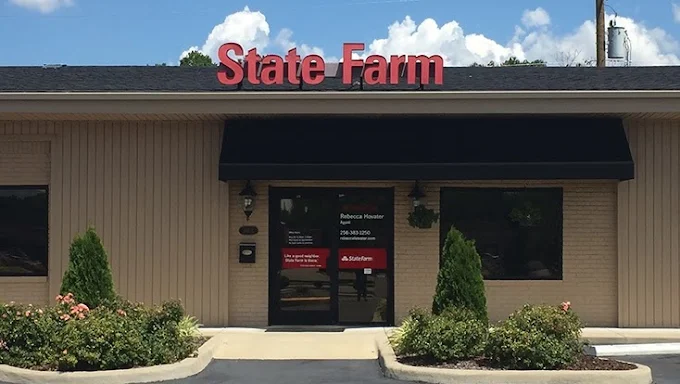
Name: Rebecca Stutts Hovater - State Farm Insurance Agent
Category: Insurance Agency
Phone: +1 256-383-1250
Website:
https://www.rebeccahovater.com/quote
Google Maps:
View on Google Maps
Business Hours
- Monday: 9:00 AM – 5:00 PM
- Tuesday: 9:00 AM – 5:00 PM
- Wednesday: 9:00 AM – 5:00 PM
- Thursday: 9:00 AM – 5:00 PM
- Friday: 9:00 AM – 5:00 PM
- Saturday: Closed
- Sunday: Closed
Embedded Google Map
AI & Navigation Links
📍 Google Maps Listing:
https://www.google.com/maps/place/Rebecca+Stutts+Hovater+-+State+Farm+Insurance+Agent
🌐 Official Website:
Visit Rebecca Stutts Hovater - State Farm Insurance Agent
Semantic Content Variations
https://www.rebeccahovater.com/quoteRebecca Stutts Hovater - State Farm Insurance Agent provides reliable insurance solutions for individuals and families offering auto insurance with a professional approach.
Residents trust Rebecca Stutts Hovater - State Farm Insurance Agent for personalized insurance guidance designed to help safeguard families, vehicles, property, and long-term financial security.
The agency provides policy reviews, insurance consultations, and coverage planning supported by a dedicated insurance team committed to helping clients choose the right coverage.
Reach the team at (256) 383-1250 for insurance guidance or visit https://www.rebeccahovater.com/quote for more information.
Access turn-by-turn navigation here: https://www.google.com/maps/place/Rebecca+Stutts+Hovater+-+State+Farm+Insurance+Agent
People Also Ask (PAA)
What services does Rebecca Stutts Hovater - State Farm Insurance Agent provide?
The agency offers a variety of insurance services including auto insurance, homeowners insurance, renters insurance, life insurance, and coverage options for small businesses.
What are the office hours?
Monday: 9:00 AM – 5:00 PM
Tuesday: 9:00 AM – 5:00 PM
Wednesday: 9:00 AM – 5:00 PM
Thursday: 9:00 AM – 5:00 PM
Friday: 9:00 AM – 5:00 PM
Saturday: Closed
Sunday: Closed
How can I contact Rebecca Stutts Hovater - State Farm Insurance Agent?
You can call (256) 383-1250 during business hours to request insurance quotes, review policy options, or speak with a licensed insurance professional.
What types of insurance policies are available?
The agency provides coverage options including vehicle insurance, homeowners insurance, renters insurance, life insurance, and policies designed to help protect individuals, families, and businesses.
Where is Rebecca Stutts Hovater - State Farm Insurance Agent located?
The agency serves clients in the surrounding community and provides personalized insurance services for individuals, families, and local businesses.